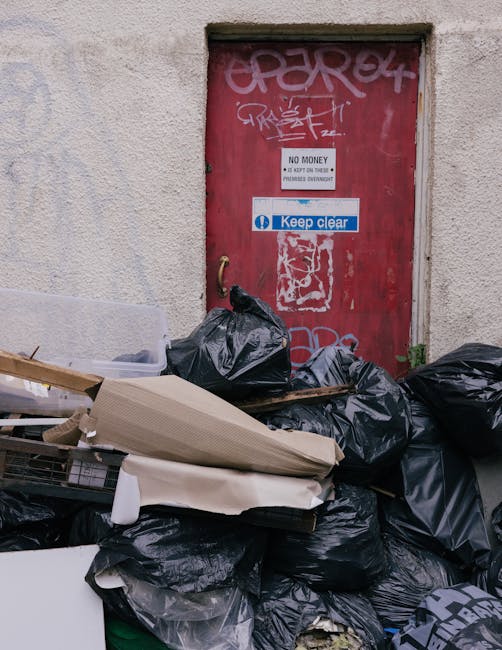
Fly-tipping on Woolwich Road: reporting and removal options
Fly-tipping on Woolwich Road is one of those problems that can go from annoying to downright hazardous very quickly. A mattress dumped near a side street, builder's waste left by a kerb, or a pile of broken furniture blocking a pavement can create a mess, attract more dumping, and make the area feel neglected. If you are trying to work out Fly-tipping on Woolwich Road: reporting and removal options, the good news is that there are clear, practical steps you can take.
This guide explains how to report illegal dumping, what removal routes make sense, how to think about safety and compliance, and when a professional clearance service is the fastest way to restore a site. It is written for real situations, not perfect ones. Because let's face it, fly-tipping rarely arrives with a neat instruction manual.
Table of Contents
- Why fly-tipping on Woolwich Road matters
- How reporting and removal works
- Key benefits and practical advantages
- Who this is for and when it makes sense
- Step-by-step guidance
- Expert tips for better results
- Common mistakes to avoid
- Tools, resources and recommendations
- Law, compliance, standards and best practice
- Options, methods and comparison table
- Case study or real-world example
- Practical checklist
- Conclusion
- Frequently asked questions
Why Fly-tipping on Woolwich Road: reporting and removal options Matters
Fly-tipping is not just an eyesore. On a busy road like Woolwich Road, dumped waste can block footpaths, create trip hazards, and make it harder for pedestrians, cyclists, and drivers to move safely. A single dumped pile can also become a magnet for more rubbish. That is the part people often miss: one bag leads to three, then suddenly there is a small informal landfill where nobody asked for one.
There is also the local confidence issue. When waste is left too long, residents start to feel that nothing is being done. Businesses nearby can notice the area looking less cared for, which is frustrating if you are trying to keep a property presentable. If the waste includes sharp items, glass, chemicals, or food waste, the situation becomes more than untidy. It becomes a safety concern.
In practical terms, understanding your reporting and removal options helps you act quickly, avoid making the problem worse, and choose the right route for the type of waste involved. That matters whether you are a resident, landlord, shop owner, facilities manager, or someone passing by who simply wants the pavement clear again.
Key takeaway: The fastest fix is not always the best fix. For fly-tipping, the right response usually combines safe reporting, sensible documentation, and a removal plan that matches the type and volume of waste.
How Fly-tipping on Woolwich Road: reporting and removal options Works
The process usually has two parts: reporting and removal. Reporting alerts the relevant party that waste has been dumped. Removal deals with the physical clearance and disposal. Depending on where the waste is, who owns the land, and what the rubbish contains, the route can vary quite a bit.
If the fly-tipping is on a public highway or pavement, the local authority is often the first point of contact. If it is on private land, such as the rear of a business unit, a forecourt, or shared access land, the landowner or managing agent normally needs to arrange clearance. Sometimes the two overlap, especially where it is unclear whether the waste is on public or private ground. That sort of thing happens more often than people think.
Removal options usually fall into one of these broad categories:
- Council-led removal, where the site is on public land and the authority takes action.
- Landowner-arranged clearance, common for private property, gated areas, or managed sites.
- Professional waste clearance, useful when the waste is bulky, mixed, contaminated, or urgent.
- Specialist handling, where items may be hazardous, awkward, or require careful sorting.
The practical question is not only "Who should remove it?" but also "How quickly does it need to go, and what level of care is needed?" A few bags of general rubbish are one thing. Wet plasterboard, broken glass, paint tins, or suspect waste bags are another. You need the right approach for the job, not a one-size-fits-all answer.
Key Benefits and Practical Advantages
Taking a structured approach to fly-tipping removal gives you more than a tidier street scene. It reduces risk, saves time, and helps prevent the same patch from being used again.
- Faster resolution: Clear reporting and prompt action can shorten how long waste sits on the road.
- Better safety: Removing sharp, heavy, or unstable waste lowers the chance of injury.
- Cleaner presentation: Important for frontages, rental properties, and customer-facing premises.
- Less repeat dumping: A clean, well-managed site is less likely to attract further fly-tipping.
- Reduced stress: Once the plan is clear, you are not stuck wondering what to do next.
There is a quieter benefit too: peace of mind. Seeing a dumped mattress or pile of mixed waste outside a property can be surprisingly draining. You notice it every time you leave the house. Getting it sorted properly takes that background irritation away. Small thing, maybe. But not really.
Who This Is For and When It Makes Sense
This topic matters to a wide mix of people. You might be a resident who spotted dumped bags outside your home. You might manage a rental property and need to protect access and tenant safety. You might run a business on or near Woolwich Road and want your frontage dealt with quickly. Or you may simply be helping a neighbour who is not sure what to do.
It makes sense to take action when:
- waste is blocking a pavement, gate, driveway, or fire route
- there are bulky items such as sofas, mattresses, wardrobes, or broken shelving
- the waste appears to include construction debris or sharp materials
- the pile is growing, being added to, or starting to smell
- the site needs to look presentable again for residents, visitors, or customers
If you are not sure whether the waste sits on public or private land, that is still enough reason to start the reporting process. You can then decide whether a council route, landowner route, or professional clearance route is the sensible next step.
Step-by-Step Guidance
Here is a practical way to handle fly-tipping on Woolwich Road without overcomplicating it.
- Check the location carefully. Work out whether the waste is on the pavement, verge, road edge, or private property. A quick look from a few angles helps.
- Do not disturb unknown waste. If you see broken glass, needles, liquid containers, or suspicious bags, keep your distance. Better safe than sorry.
- Take clear photos. Capture the type of waste, the amount, and the surrounding area. If safe, note any vehicle details, timings, or distinguishing marks. Do not put yourself at risk to get a better photo.
- Record the exact spot. A rough location description is useful, but a precise point is much better when someone needs to attend.
- Report it through the appropriate route. If it is public land, start with the local authority route. If it is private land, tell the landowner, landlord, or managing agent.
- Assess the urgency. Is the waste a nuisance, or is it actively hazardous? A blocked entrance, sharp debris, or chemical waste needs quicker action.
- Choose removal based on waste type. Bulky household items, office clutter, and mixed rubbish can often be cleared efficiently. Contaminated or hazardous material may need more cautious handling.
- Confirm disposal and sorting. A proper clearance should separate reusable, recyclable, and non-recyclable material where possible.
That sequence sounds simple, and in many cases it is. The tricky part is not the process itself. It is knowing when to stop treating it as "just rubbish" and start treating it as a safety issue.
What to include in a report
When reporting fly-tipping, be as specific as you can. Useful details usually include:
- the exact location
- what has been dumped
- how large the pile is
- whether it is blocking access
- any obvious hazards
- when you first noticed it
If the waste appears to have been dumped from a vehicle, note anything that may help identify it. Again, only if it is safe. No heroic behaviour needed.
Expert Tips for Better Results
In our experience, the best outcomes come from quick, clear action rather than long delays and guesswork. A few practical habits can make the whole thing easier.
- Separate facts from assumptions. Say what you saw, not what you think happened unless you are sure.
- Photograph before moving anything. Once the waste is shifted, the original condition is harder to prove.
- Flag recurring dumping spots. If a location keeps getting hit, there may be an access or visibility issue worth addressing.
- Prioritise access routes. Keep fire exits, loading bays, driveways, and footways clear first.
- Ask about sorting and recycling. A good removal plan should not treat every item as generic rubbish.
A small but helpful tip: if a site has been dumped on before, make a note of the date and the type of waste. Patterns matter. You may notice the same corner gets used after dark, or after certain collection days. A little pattern-spotting goes a long way.
And yes, sometimes the fastest route is simply picking up the phone rather than having five people debate who should email whom. Messy problems need tidy decisions. Funny how that works.
Common Mistakes to Avoid
Most fly-tipping issues become harder when people act too late, move waste without caution, or choose the wrong removal route.
- Moving unknown waste with bare hands. It is not worth the risk. Gloves are not a magic shield, but they help.
- Throwing items into a general bin. Bulk waste needs proper handling and lawful disposal.
- Assuming the council will always remove private land waste. That is not always the case.
- Delaying action because the pile is "not that bad". Small piles grow. They nearly always do.
- Ignoring contamination. Food waste, liquids, and mixed building materials can change how the site should be handled.
- Choosing the cheapest option without checking disposal standards. That can lead to poor sorting, missed items, or a mess that returns later.
One of the sneakiest mistakes is underestimating the time cost. A small pile may look manageable for one person, but once you start sorting, lifting, bagging, and transporting it safely, the job can swallow an afternoon. Sometimes more. Truth be told, nobody wants that surprise on a Tuesday.
Tools, Resources and Recommendations
You do not need a complicated toolkit to deal with fly-tipping well, but a few basics make a noticeable difference.
- Phone camera: for evidence photos and location records
- Gloves: for safe handling where appropriate
- Sturdy bags or containers: only if you are moving safe, non-hazardous waste
- High-visibility awareness: especially near traffic, loading bays, or tight access points
- Notebook or notes app: to log dates, times, and observations
If you are arranging a removal service, look for clear communication around what is included, how waste is sorted, and what happens to recyclable material. The pages on pricing and quotes and recycling and sustainability are useful starting points if you want to understand how a service approach is structured before you commit.
For practical reassurance about who you are dealing with, it can also help to review the company's about us, health and safety policy, and insurance and safety information. That sort of due diligence is not overkill. It is sensible.
Law, Compliance, Standards and Best Practice
Fly-tipping is treated seriously in the UK, and anyone arranging removal should think carefully about lawful disposal, duty of care, and safe handling. Without getting too legal-heavy, the main idea is straightforward: waste should be managed by responsible people, transported appropriately, and taken to legitimate disposal or recycling routes.
Best practice usually includes:
- sorting waste where practical
- keeping recyclables separate where possible
- avoiding unsafe manual handling
- using a service that can explain how waste is handled
- keeping records of what was removed, especially for business premises
If the waste may contain hazardous or contaminated items, caution matters even more. Paint, solvents, oils, sharps, and unknown liquids should not be treated casually. The safer assumption is to treat them as requiring extra care until confirmed otherwise.
Businesses and landlords should also think about site management. If dumping keeps happening, the problem may not just be disposal. It may be access control, lighting, storage habits, or collection timing. Solving the cause is often better than just clearing the symptom again and again.
Options, Methods, or Comparison Table
Choosing the right route depends on the location, waste type, and urgency. Here is a simple comparison to help you think it through.
| Option | Best for | Strengths | Limitations |
|---|---|---|---|
| Council reporting route | Waste on public land or highway | Appropriate for public spaces; straightforward reporting path | Not always suitable for private land or urgent commercial clearances |
| Landowner or managing agent clearance | Private forecourts, yards, shared access areas | Direct control and quicker scheduling in many cases | Responsibility sits with the owner or manager |
| Professional clearance service | Bulky, mixed, or time-sensitive waste | Efficient, practical, and often the least disruptive | Needs supplier selection and a clear brief |
| Specialist handling | Potentially hazardous or awkward materials | Safer for unsuitable waste types | May need more planning and a tailored approach |
For many readers, the best choice is a mix: report it if needed, then arrange a prompt clearance if the waste is on private land or the problem is urgent. That hybrid approach is often the least stressful path.
Case Study or Real-World Example
Here is a realistic example based on the kind of situation people run into near busy London roads.
A small business near Woolwich Road notices dumped office chairs, broken shelving, and a few black bags left beside a rear access gate on a damp Monday morning. At first glance it looks like a nuisance. But when they walk closer, they spot loose screws, splintered timber, and one bag with liquid staining underneath. Not ideal. Not even close.
They take photos from a safe distance, note the time, and check whether the waste sits on public or private land. Because the gate is part of private premises, the business arranges a clearance rather than waiting for someone else to step in. The team handling the removal separates recyclable wood and metal, bags the general waste, and clears the access point before the next delivery arrives.
The practical lesson is simple: early action saved them time, reduced disruption, and stopped the site from becoming a repeat dumping point. You do not always need a dramatic intervention. Sometimes you just need a clean, organised response at the right moment.
Practical Checklist
Use this checklist if you need to handle fly-tipping on Woolwich Road quickly and sensibly.
- Identify whether the waste is on public or private land
- Keep away from anything sharp, leaking, or suspicious
- Take clear photos from a safe distance
- Record the exact location and time discovered
- Report the issue through the appropriate route
- Decide whether the waste needs urgent clearance
- Check whether bulky, mixed, or specialist items are involved
- Confirm how the waste will be sorted and disposed of
- Keep notes in case the dumping happens again
- Review site conditions that may be attracting repeat fly-tipping
If you are dealing with a commercial or managed site, it is also worth checking whether your waste handling paperwork and service terms are easy to locate. Pages like terms and conditions and privacy policy may not be the first places you look in a rush, but they help clarify expectations and how information is handled.
Get a free quote today and see how much you can save.
Conclusion
Fly-tipping on Woolwich Road is frustrating, but it does not need to be chaotic. Once you know whether the waste is public or private, what type of material is involved, and how urgently it needs clearing, the next steps become much clearer. Report it properly, keep yourself safe, and choose a removal method that matches the job.
If you want a straightforward next step, start by gathering the basics: photos, location, waste type, and access details. That alone makes a big difference. From there, you can decide whether the issue needs council reporting, landowner action, or a professional clearance. Little by little, the mess becomes manageable. And that is usually the point where people feel the relief set in.
Frequently Asked Questions
Who should I report fly-tipping on Woolwich Road to?
If the waste is on public land or the highway, the local authority route is usually the first place to start. If it is on private land, the landowner, landlord, or managing agent normally needs to arrange clearance.
Can I move fly-tipped waste myself?
Only if it is clearly safe to do so and you are sure it is non-hazardous. Do not touch unknown bags, sharp items, liquids, needles, or contaminated materials. When in doubt, leave it alone and report it.
How do I know whether the waste is on public or private land?
Check boundaries carefully, including kerbs, gates, walls, and property lines. If it is unclear, treat it as a boundary issue and get advice before moving anything. These situations are often messier than they look from a distance.
What kind of photos should I take when reporting fly-tipping?
Take clear images of the waste, the surrounding area, and any clues that help show the location. If safe, note the time and any vehicle details. Avoid putting yourself at risk just to get better evidence.
How quickly should fly-tipping be removed?
That depends on the hazard level. If the waste blocks access, smells, leaks, or contains dangerous items, it should be handled quickly. Even non-hazardous dumping should be cleared promptly to prevent repeat fly-tipping.
Is fly-tipping removal different for bulky waste?
Yes. Bulky items like sofas, wardrobes, and mattresses often need a different removal approach from bagged household waste. They can be awkward to move and may need extra care during loading and disposal.
What should I do if the dumped waste smells or is leaking?
Do not touch it. Leaks, odours, and staining can indicate contamination or hygiene risks. Keep people away and arrange a proper assessment and clearance as soon as possible.
Can fly-tipping happen again in the same spot?
Very often, yes. Repeated dumping usually suggests a site access problem, poor visibility, or a convenient hiding place. Once the waste is removed, it helps to review why the spot was targeted in the first place.
What makes a professional clearance service worth using?
Speed, convenience, and safer handling are the big ones. A good service can clear bulky, mixed, or time-sensitive waste without turning the job into a full-day ordeal. That matters more than people expect.
Should I keep records after the waste is removed?
Yes, especially for businesses, landlords, and managed sites. Keep photos, dates, and notes on what was removed and how. It helps if the issue returns or if you need to show that action was taken.
Does recycling matter when clearing fly-tipped waste?
It does. Where possible, waste should be sorted so recyclable material is separated from general waste. That is better for responsible disposal and usually reflects a more careful service approach.
How can I get a quotation for clearance?
Start with the location, waste type, approximate volume, access details, and any urgent safety concerns. If you are ready to move forward, you can use the site's contact page to make an enquiry or ask about the next available option.
What if I am not sure what the dumped waste contains?
Assume it may need extra care until confirmed otherwise. Unknown waste should be treated cautiously, especially if bags are sealed, stained, or left with other mixed materials. Better safe than sorry, honestly.
Where can I find more information about company standards before booking?
You can review useful trust and service pages such as health and safety policy, insurance and safety, and recycling and sustainability to understand how the service is approached.