Is your clearance legal? Waste carrier licensing in Greenwich
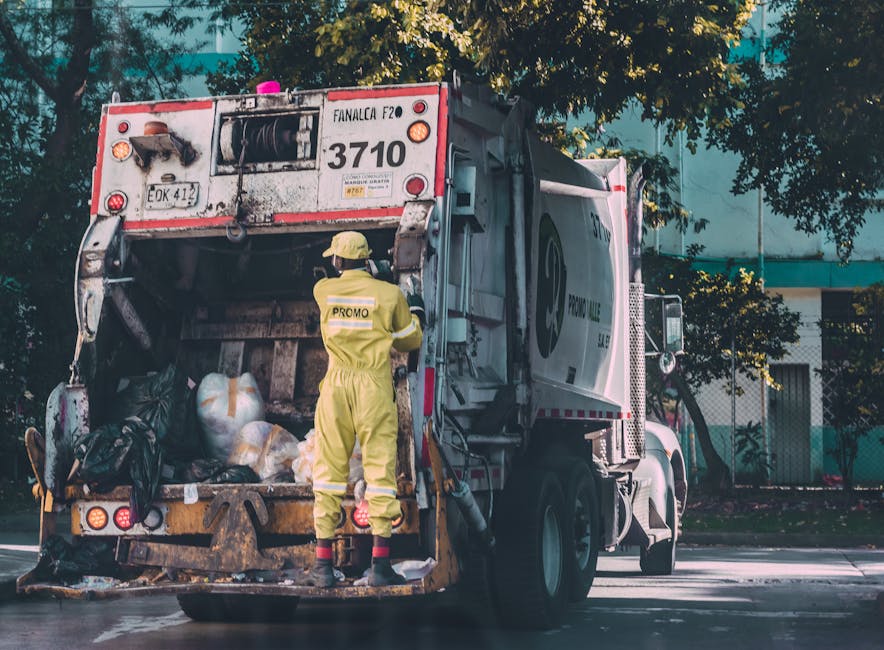
If you're booking a clearance in Greenwich, the awkward question isn't about price first. It's this: is your clearance legal? Waste carrier licensing in Greenwich matters because once waste leaves your property, you still want confidence that it's being handled properly, transported lawfully, and not dumped somewhere near a quiet lane, a back street, or worse, on your behalf.
That might sound dramatic, but let's face it, a clearance is one of those jobs that looks simple on the surface and gets complicated very quickly. Sofa out, rubble gone, office clutter lifted, loft emptied. Easy, right? Until the fly-tipped bag with your address on it turns up later. This guide explains how waste carrier licensing works, what to check, what legal clearance looks like in practice, and how to make a sensible decision without getting buried in jargon.
- Why waste carrier licensing matters in Greenwich
- How the licensing system works
- Key benefits and practical advantages
- Who this is for and when it makes sense
- Step-by-step guidance
- Expert tips for better results
- Common mistakes to avoid
- Tools, resources and recommendations
- Law, compliance and best practice
- Options, methods and comparison table
- Real-world example
- Practical checklist
- Conclusion
- Frequently asked questions
Why Is your clearance legal? Waste carrier licensing in Greenwich Matters
Waste carrier licensing is basically the system that helps prove a person or business is allowed to transport controlled waste. If a company collects your unwanted furniture, builders' debris, office items, green waste, or mixed junk, they should be able to show they are operating legally. In plain English: they should not be a mystery van with a clipboard and a vague promise.
Why does this matter so much in Greenwich? Because the area has the same pressures as much of London: narrow streets, limited parking, a steady flow of house moves, refurbishments, and business clear-outs, plus a strong expectation that waste is dealt with responsibly. A legal clearance service protects you, the local environment, and the chain of custody for the waste itself.
There's also a hidden point many people miss. If you hand waste to the wrong operator, you may not just lose money. You can also end up with follow-up headaches if the waste is fly-tipped or if records are missing. That kind of thing is far more annoying than most people expect. One van, one rushed job, and suddenly you're explaining yourself to your landlord, your building manager, or a very unimpressed neighbour.
Key takeaway: legal clearance is not just about removing items. It's about proving those items were collected by the right people, taken the right place, and managed in a way that fits UK waste duty-of-care expectations.
How Is your clearance legal? Waste carrier licensing in Greenwich Works
The licensing side is simpler than it sounds. A waste carrier is the person or business moving waste as part of their work. They should hold the appropriate registration for that activity, and they should be able to explain what happens to the waste after collection. Good operators do not get flustered when asked.
In a normal clearance, the process usually looks like this:
- You describe the waste: furniture, office clutter, household items, garden waste, builders' waste, or a mix.
- The provider assesses the job and gives a quote or estimate.
- On collection day, items are loaded safely and taken away.
- The waste is sorted, reused, recycled, or disposed of through appropriate channels.
- For business jobs especially, records may be kept to show what was collected.
The important part is that the operator should understand what kind of waste they are dealing with. A simple house clearance, for example, is not identical to an office clearance or a builders' waste clearance. Mixed loads often need more care because they may include recyclable material, electrical items, recyclable metals, or bulky waste that should not be treated as a single pile of rubbish.
If you are checking a clearance provider, ask practical questions. Who will remove the waste? Where does it go? How is it sorted? Is the collection handled as part of a proper waste removal service? If the answers are short, muddled, or strangely defensive, that tells you a lot.
In our experience, the legal operators usually sound calm and specific. The dodgy ones sound rushed, vague, and oddly keen not to answer direct questions. Funny how that works.
Key Benefits and Practical Advantages
Choosing a licensed waste carrier is not just a compliance box. It usually makes the whole clearance easier and more predictable. You get fewer surprises, less risk, and better peace of mind when the job is done.
- Lower legal risk: you reduce the chance of being linked to improper disposal or fly-tipping.
- Cleaner audit trail: especially helpful for landlords, facilities managers, and businesses.
- Better sorting and recycling: usable items, metals, wood, cardboard, and white goods may be separated more carefully.
- More professional handling: from lifting heavy furniture to protecting walls, stairwells, and shared entrances.
- Clearer pricing: legitimate services are more likely to explain what is included, what is extra, and what affects the final cost.
There's another advantage that's easy to overlook: smoother communication. A proper provider tends to give better time windows, better expectations, and fewer last-minute oddities. That matters on busy Greenwich mornings when access, parking, and building entry are all being juggled at once.
If you are planning a larger project, it also helps to work with a company that can align the job with the right type of clearance. For example, an office move may need office clearance, while household furniture and bulky items may fit better with furniture disposal or furniture clearance. Matching the service to the waste type keeps things tidy and legal.
Who This Is For and When It Makes Sense
This topic matters to more people than you might think. It is not just for property managers or big commercial clients. If anything, homeowners and small businesses often need the clearest guidance because they are the most exposed to bad advice.
You probably need to care about licensing if you are:
- clearing a flat, house, loft, or garage in Greenwich
- disposing of office furniture, archived paperwork, or fixtures
- removing builders' debris after a renovation
- tidying garden waste after landscaping or seasonal maintenance
- dealing with inherited property contents or a sensitive house clearance
- booking recurring business waste removal
It also makes sense whenever you feel uncertain about what happens after collection. If the waste is going off-site, and you are not personally taking it to a reuse centre or recycling point, then licensing and duty of care become part of the picture. That applies whether the job is a one-off or a repeating contract.
For domestic jobs, a service like house clearance or home clearance is often enough. For tighter spaces and shared buildings, flat clearance can be the more practical route. For harder-to-reach storage areas, loft clearance and garage clearance are often the relevant options.
Truth be told, if you are already asking whether the clearance is legal, you are asking the right question. That instinct usually saves people from trouble later.
Step-by-Step Guidance
If you want a sensible, low-stress process, follow a simple sequence. No drama, no guesswork, no "it'll be fine" hope-based planning.
- Describe the waste clearly. Say whether it is furniture, mixed household waste, green waste, office items, or builders' material. Be specific.
- Ask whether the carrier is licensed. A serious operator should be able to confirm this without dancing around the question.
- Ask what documentation is provided. For commercial jobs, records and invoices matter. For domestic jobs, paperwork still helps if questions arise later.
- Check how the waste will be handled. Reuse, recycling, transfer, disposal: ask for the normal process.
- Confirm access details. Stairs, lifts, parking, time restrictions, and loading space all affect how the job runs.
- Get the quote in writing if possible. That way there are fewer misunderstandings on the day.
- Keep a record of the collection. Even a simple invoice and message trail can be useful.
A small but useful detail: if the job includes bulky furniture, wet waste, or items with screws, glass, or sharp edges, mention that early. It changes the loading plan, and sometimes the disposal route too. A sofa and a smashed wardrobe are not the same beast.
For businesses, it may be sensible to look at business waste removal or office clearance if the work is recurring or tied to a relocation. For heavier rubble or refurbishment debris, builders' waste clearance is usually the better fit.
Expert Tips for Better Results
Here's where small choices make a big difference.
Tip 1: Ask about the waste stream, not just the collection. A provider who can explain where different materials go usually has a better grip on compliance and recycling.
Tip 2: Be honest about the load. People often understate how much waste there is. It is very normal. We all do it. The spare room somehow looks "light" until you actually start moving things.
Tip 3: Separate items if you can. Cardboard, metal, timber, furniture, and general rubbish are easier to manage when they are not all mixed together. That can improve efficiency and reduce unnecessary disposal costs.
Tip 4: Think about safety before speed. Stairs, narrow corridors, basements, and shared hallways need proper handling. Good operators plan for the awkward bits.
Tip 5: Ask what happens to reusable items. Responsible clearance is not only about removal. It often includes reuse or recycling where appropriate, which is one reason to review a provider's recycling and sustainability approach.
One more practical insight: if a provider offers a very cheap clearance but cannot explain licensing, insurance, or handling, the price may be the most expensive part of the deal. Cheap can be costly. Quite famously so.
Common Mistakes to Avoid
Most problems are avoidable. That's the good news. The bad news is that people still make the same mistakes because a clearance feels like a one-off chore, not a compliance-sensitive transaction.
- Not asking about licensing at all. The van arrives, the load disappears, and later you realise you never checked anything.
- Assuming all clearance companies work the same way. They don't.
- Mixing hazardous or special waste into general waste. If anything unusual is involved, ask before collection.
- Skipping documentation. Even a small job should leave a paper trail.
- Choosing solely on speed. Fast matters, but only when it is still legal and properly managed.
- Ignoring access issues. A lift outage or narrow stairwell can turn a simple job into chaos if nobody planned for it.
There is also a quieter mistake: not checking terms and payment details before the job starts. If you want to understand expectations around booking, invoicing, and service conditions, the company's terms and conditions and payment and security information can be helpful reference points.
And if something goes wrong, a clear complaints route matters. A provider with a published complaints procedure usually takes customer accountability more seriously than one that hides behind silence.
Tools, Resources and Recommendations
You do not need a full compliance library on your kitchen table, but a few simple resources help a lot.
- Your booking notes: keep details of the waste type, volume, and any access limitations.
- Photos of the items: these help avoid underquoting and confusion.
- Invoices and messages: save them somewhere easy to find.
- Property access notes: stair width, parking restrictions, concierge rules, and lift access are worth writing down.
- Company policies: if you are using a business provider, review relevant service information such as health and safety policy, insurance and safety, and about us.
For some customers, especially landlords or letting agents, it is also useful to compare the service against the property type. A cluttered rental unit may need flat clearance, while a family home after a move may suit house clearance. Matching the job to the property saves time and usually makes the quote more accurate.
If you are trying to keep costs under control, the most practical recommendation is simple: sort what you can, be honest about volume, and choose a provider that can explain its process without making it sound like a state secret.
Law, Compliance, Standards, or Best Practice
This topic sits inside UK waste management best practice, so a careful approach matters. The exact legal duties can vary depending on the type of waste and who is producing it, but a few principles are stable:
- Duty of care applies: waste should be transferred responsibly, not handed to a random collector with no traceable process.
- Carrier status matters: anyone transporting waste as part of a business should be properly registered or licensed as appropriate.
- Records are useful: keeping invoices, collection details, and job notes supports accountability.
- Different waste types need different handling: household goods, furniture, builders' materials, and commercial waste are not all the same.
- Fly-tipping risks are real: if waste is illegally dumped, the original holder of the waste may face questions.
Best practice in Greenwich is straightforward: use a provider that is transparent, insured where appropriate, and clear about sorting, recycling, and disposal. A legal clearance should feel organised. The van turns up, the items go, and the job closes neatly. Not flashy. Just reliable. That's what you want.
For trade and refurbishment jobs, a clear plan for builders' waste clearance helps avoid contamination of recyclable materials and keeps the site safer. For businesses, regular business waste removal can be structured so collections are predictable and properly documented.
Options, Methods, or Comparison Table
Not every clearance job needs the same method. Here's a simple comparison to help you think it through.
| Option | Best for | Advantages | Things to watch |
|---|---|---|---|
| Licensed clearance service | Mixed household, office, or bulky waste | Convenient, traceable, safer, usually faster | Check licensing, pricing, and what is included |
| Self-haul to a disposal facility | Small loads and people with time, access, and transport | Direct control over the waste | Time-consuming, vehicle limits, lifting risk, disposal rules |
| Specialist service by waste type | Builders' waste, offices, garden waste, furniture | Better sorting and more suitable handling | May cost more if the load is complex |
| One-off ad hoc collection | Simple, small clear-outs | Quick and easy when the waste is straightforward | Can become risky if the collector is not properly registered |
For most Greenwich residents and businesses, the licensed service is the best balance of convenience and peace of mind. Especially when the load is awkward, heavy, or time-sensitive. You get less lifting, less sorting, and far fewer what-just-happened moments.
Case Study or Real-World Example
Picture a typical Greenwich flat move in early autumn. Rain on the pavement, a couple of awkward wardrobes, a bed frame, broken shelving, a few bags of old clothes, and some bits of packaging that never quite got dealt with after the last delivery. The hallway is narrow, the lift is small, and the neighbour downstairs has already glanced up the stairs once, not warmly.
The resident asks the right questions before booking: is the clearance provider licensed, can they handle mixed domestic waste, and will they provide confirmation of collection? The provider explains how the job will be loaded, what will be separated for recycling, and which items need special handling. The quote is clear. On the day, the team arrives with the right kit, protects the shared access route, and clears the flat without damage or fuss.
The outcome is not glamorous. That is exactly the point. The waste leaves legally, the property is left tidy, and nobody spends the next week wondering whether the job was done properly. The resident moves on. The building manager breathes out. Everyone wins, more or less.
Now compare that with a rushed, unlicensed collection. No paperwork, no clear route, and a suspiciously cheap price. If the load later appears dumped by a roadside, the original customer may have a real headache on their hands. Nobody wants that sort of surprise.
Practical Checklist
Use this before you book any clearance in Greenwich:
- Have I described the waste clearly and honestly?
- Have I asked whether the carrier is properly licensed or registered for waste transport?
- Do I know where the waste is likely to go after collection?
- Have I checked whether the job includes furniture, builders' waste, office items, or mixed material?
- Do I have photos or an accurate idea of the volume?
- Have I confirmed access details such as stairs, lifts, parking, and time restrictions?
- Do I understand what is included in the price?
- Have I saved any invoice, message, or collection confirmation?
- Do I know who to contact if something looks wrong afterwards?
- Have I chosen a provider whose policies and service information are easy to find?
If you can answer yes to most of those, you are in good shape. If not, pause and ask more questions. A few minutes now can save a lot of regret later.
Get a free quote today and see how much you can save.
Conclusion
So, is your clearance legal? In Greenwich, the safest answer is never to assume. Check the carrier, ask what happens to the waste, keep a record, and choose a provider that treats compliance as part of the job rather than an annoying extra.
That way, your clearance is not just quick. It is sensible, traceable, and properly handled. Which, honestly, is what most people want anyway. Not a speech. Not a lecture. Just a clean result and no lingering worries.
If you are comparing options for a home, flat, office, garage, loft, garden, or builders' clearance, the best next step is simple: ask clear questions, compare the service carefully, and go with the company that makes the process feel straightforward from the start. Peace of mind has a value of its own, and in a busy place like Greenwich, that counts for a lot.
Frequently Asked Questions
How do I know if a waste carrier is licensed?
Ask directly and expect a clear answer. A legitimate operator should be able to confirm their status and explain how they handle waste. If they dodge the question, that is a warning sign.
Do I need proof that my waste was collected legally?
Yes, it is sensible to keep an invoice, message trail, or collection record. For business waste, documentation is even more useful because it supports your duty of care and internal records.
What happens if I use an unlicensed clearance service?
You increase the risk of improper disposal, missing paperwork, and possible follow-up problems if the waste is fly-tipped. Even if you were not the person dumping it, you may still have questions to answer.
Is a house clearance the same as waste removal?
Not quite. House clearance is usually more specific and may involve sorting furniture, household items, and reusable goods. Waste removal is a broader term that can cover many different load types.
Does a clearance company need insurance as well as a licence?
Insurance is not the same as licensing, but it is a very sensible thing to check. It helps show that the provider takes safety and professional handling seriously, especially for larger or more awkward jobs.
Can I put builders' waste and furniture in the same collection?
Often yes, but only if the provider is set up to handle mixed loads. It is best to explain exactly what you have so the company can plan sorting, disposal, and pricing properly.
What should I ask before booking office clearance?
Ask about licensing, access, disposal routes, documentation, timing, and whether they can handle desks, chairs, filing cabinets, electronics, and general clutter. A good office clearance should be organised, not improvised.
Why do some clearance quotes vary so much?
Volume, weight, waste type, labour, access, and disposal costs all affect the price. A cheap quote can be tempting, but if it skips licensing or proper handling, it is not really cheap.
Is recycling always included in a clearance service?
Not always in the same way. Many providers aim to recycle or reuse as much as practical, but the exact process depends on the waste type and what condition the items are in. Ask how they approach sorting.
What is the safest choice for a landlord clearing a flat in Greenwich?
Use a licensed clearance service, keep records, and make sure the provider understands access issues and the mix of items. A flat clearance can move quickly when planned well, and quickly in the wrong direction if it is not.
Can I rely on verbal promises alone?
Not really. A polite conversation is useful, but written confirmation is better. Even a short email or message can help prevent misunderstandings about what was collected and what was agreed.
What is the best first step if I am unsure about a clearance company?
Ask direct questions about licensing, waste handling, and what is included in the quote. If the answers are clear and calm, that is encouraging. If they feel slippery, keep looking.