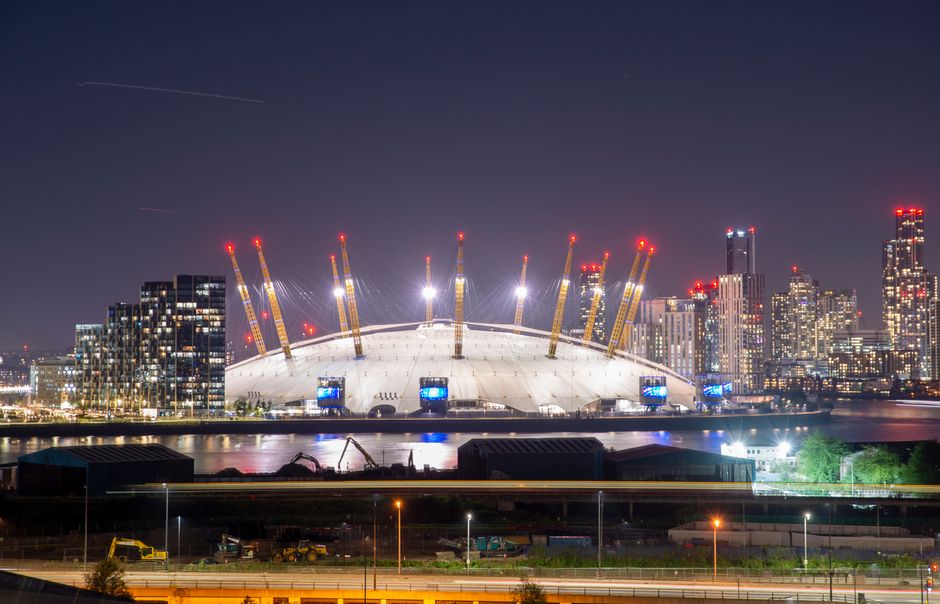
North Greenwich Event Rubbish Clearance Tips for Venue Managers
If you manage events in North Greenwich, you already know the cleanup is rarely the easy bit. The crowd leaves, the lights dim, and suddenly you are looking at bagged waste, loose cups, cardboard stacks, broken signage, and a floor that needs to be turned around fast. Good North Greenwich event rubbish clearance tips for venue managers are not just about keeping things tidy; they help you protect the venue, keep staff sane, and avoid those awkward last-minute scrambles that always seem to arrive five minutes before the next booking.
This guide breaks down what matters, how event waste clearance actually works on the ground, and how venue managers can set up a cleaner, safer, more predictable process. You will find practical steps, common mistakes, compliance points, and a realistic checklist you can use before the next show, conference, exhibition, or private function. No fluff. Just the stuff that helps on a busy day.
- Why it matters
- How event rubbish clearance works
- Key benefits and practical advantages
- Who this is for and when it makes sense
- Step-by-step guidance
- Expert tips for better results
- Common mistakes to avoid
- Tools, resources and recommendations
- Law, compliance, standards, or best practice
- Options, methods, or comparison table
- Case study or real-world example
- Practical checklist
- Conclusion
- Frequently asked questions
Why North Greenwich event rubbish clearance tips for venue managers Matters
Event waste is more than an afterthought. In a busy North Greenwich venue, it affects turnaround times, presentation standards, staff safety, loading bay access, back-of-house flow, and the general impression guests carry away. If you have ever walked into a space after a packed event and seen bins overflowing, bottle boxes collapsing, and cardboard pushed into corners, you know the feeling. It is not pretty, and it is rarely efficient.
For venue managers, rubbish clearance sits at the crossroads of operations and reputation. A clean handover means the next organiser starts on time, cleaning teams work safely, and waste does not migrate into storage corridors or fire exits. That sounds obvious, but in practice it is often where things unravel. People focus on ticketing, staging, AV, catering, and security, while waste is treated like a vague "later" task. Then later arrives fast.
North Greenwich also has its own rhythm. Venues can face tight access windows, shared service areas, and limited time between events. In that setting, the difference between a smooth clearance and a stressful one is usually planning, not brute force. The best rubbish clearance tips are the ones that stop problems before they become visible to guests or expensive to fix.
Expert summary: the cleanest events are usually not the ones with the least waste, but the ones where waste was planned for from day one. That is the real trick.
How North Greenwich event rubbish clearance tips for venue managers Works
At its simplest, event rubbish clearance follows a loop: predict the waste, separate it, remove it efficiently, and verify that the venue is ready for the next use. In real life, though, each stage needs a little coordination. A venue manager has to think about waste streams, collection points, storage space, timing, access, and whether the cleanup crew can move through the site without blocking operations.
Most event waste falls into predictable categories: food waste, drink containers, cardboard, packaging, soft mixed waste, disposable service items, promotional materials, and sometimes bulky items like broken furniture or damaged display pieces. For some events, there will also be special considerations such as cables, batteries, catering waste, PPE, or sharps-like items from certain exhibition stands. Not every event has all of these, of course, but the risk is in assuming it will be simple.
Good clearance usually involves three phases:
- Pre-event planning: map where waste will be generated and where it will be stored temporarily.
- During-event control: keep waste from spreading by using enough bins and making them easy to reach.
- Post-event collection: remove, sort, and dispose of waste quickly without disrupting exits or service routes.
One thing venue managers sometimes forget: waste handling is a logistics job, not a bin job. If the collection point is awkward, too far from the floor, or blocked by staging, you will feel it by the end of the night. And if the clearance team cannot get in with trolleys or bags, you get bottlenecks. Simple, but maddening.
Key Benefits and Practical Advantages
There are several reasons to put proper event rubbish clearance at the top of the operations list, and most of them show up very quickly once the event starts.
- Faster venue turnaround: better waste control means cleaning crews can work methodically instead of hunting through a mess.
- Improved safety: fewer trip hazards, fewer blocked routes, and less manual handling pressure for staff.
- Better presentation: guests, contractors, and incoming clients notice when a venue feels controlled and cared for.
- Lower stress for teams: people work better when they know where rubbish is going and who is taking it away.
- Reduced contamination: separating recyclables from general waste can make disposal more efficient and more responsible.
- Fewer operational surprises: no one likes discovering that the waste store is full at 11:30 pm with another function starting at 8:00 am.
There is also a quieter benefit: better waste systems make your venue easier to manage over time. Staff learn the routine. Contractors know the drill. The whole place feels less chaotic. Truth be told, that calm is worth a lot.
Who This Is For and When It Makes Sense
This guidance is useful for venue managers, operations leads, event coordinators, facilities teams, front-of-house supervisors, and anyone responsible for post-event handover in North Greenwich. It is especially relevant if your site hosts frequent corporate events, trade shows, weddings, performances, community gatherings, or large private functions.
It also makes sense if you are dealing with any of these situations:
- short turnaround between events
- shared loading areas or limited service access
- mixed waste from catering, staging, and exhibitors
- temporary staff who need simple instructions
- complaints about mess, odour, or overflowing bins
- post-event cleanups that keep running late
If your venue only hosts occasional events, you may think a formal rubbish plan is overkill. In practice, even one poorly handled event can damage a room booking, create extra cleaning costs, or leave you dealing with avoidable friction with contractors. One bad pickup day and the whole operation feels off. You know the sort.
Step-by-Step Guidance
Here is a practical way to approach event rubbish clearance without overcomplicating it. Keep it simple, but not casual. There is a difference.
1) Estimate the waste before the event
Start with the event format. A seated dinner creates different waste from an exhibition or a product launch. Think about guest numbers, catering style, printed materials, and build-up materials. If the event uses promotional stands, packaging waste rises quickly. If there is plated dining, food waste becomes a bigger issue. You do not need perfect numbers. You need a useful estimate.
2) Assign waste streams clearly
Set out what goes where. For example, general waste, mixed recycling, cardboard, food waste, and bulky items should all be identified before guests arrive. Keep the instructions simple enough that temporary staff and contractors can follow them without a briefing marathon.
3) Place bins where waste is actually created
People are lazy in the best possible way. If a bin is too far away, rubbish ends up on tables, floors, or in the nearest corner. Put bins near catering stations, exits, bar areas, and loading zones. For larger events, create central collection points that are easy to reach but not in the way of guests.
4) Protect back-of-house routes
Make sure waste bags, cages, or carts can move without blocking service doors, emergency exits, or the main path to the loading bay. This is one of those details that sounds basic until a trolley gets wedged behind a stack of empties and everything slows down. Then everybody starts pointing at everybody else.
5) Build the clearance window into the schedule
Don't treat clearance as a vague afterthought. Put it in the run sheet with a start time, a finish target, and a named responsible person. If a venue has a hard handover deadline, work backwards from that. Leave enough time for collection, sweep-down, and a final check.
6) Sort and stage waste before collection
Where possible, separate cardboard, recyclable containers, and general waste at source or in a staging area. This speeds up removal and can reduce unnecessary mixing. It also makes the cleanup less grim to look at, which, let's face it, helps morale.
7) Confirm final clearance and sign-off
The job is not finished when the last bag leaves the room. Walk the route, check corners, inspect under tables and behind bars, and confirm that waste stores are empty enough for the next cycle. A proper sign-off prevents the classic "we thought someone else had it" problem.
Expert Tips for Better Results
These are the small improvements that usually make the biggest difference. Not glamorous, but effective.
Use visual cues, not just instructions
Temporary labels, colour coding, or simple signs at collection points help more than a long email ever will. People respond fast to obvious cues, especially late in the day when everyone is a bit tired and thinking about getting home.
Make one person the waste lead
It sounds almost too simple, but assigning a named lead avoids confusion. If several people are "kind of" responsible, no one is fully responsible. A single point of contact can direct cleaners, manage contractors, and spot issues before they snowball.
Plan for the awkward waste, not just the obvious waste
Think about broken signage, pallets, cable ties, plastic wrap, torn fabric, and damaged props. These items are often the ones that catch people out because they are not neatly baggable. If you have ever tried to clear a room full of collapsing packaging at midnight, you will know the feeling.
Keep a spare stock of liners and basic consumables
Running out of bags during clear-up is such a small failure, but it creates a surprisingly large delay. Keep spares close to the action. Same with gloves, tape, and labels.
Think like a guest and like a contractor
A good venue manager looks at a space from both sides. Would a guest see rubbish? Can a contractor move a trolley through without squeezing sideways? If the answer is no, adjust the layout before the event starts.
Build in a quiet buffer
Events are rarely finished exactly when they should be. People linger. Bags take longer. A speaker wants "one more quick chat." If you know this already, you can add a small buffer and save yourself from that rushed, sweaty last half hour. No one enjoys that bit.
Common Mistakes to Avoid
Most waste problems are predictable. That is the frustrating part. The good news is they are also preventable.
- Underestimating volume: small events can still generate a shocking amount of packaging and food waste.
- Using too few bins: this is one of the quickest ways to create mess.
- Mixing waste streams unnecessarily: once recyclable material is contaminated, your options narrow.
- Leaving collection too late: if you wait until every guest has gone and every contractor is finished, the clearance rush becomes harder.
- Blocking access routes: waste stacked in the wrong place slows everything down and can create safety issues.
- Not briefing temporary staff: people can only follow the plan if they know it exists.
- Forgetting the final sweep: small items left behind make a venue feel unfinished, even if the big work is done.
One slightly embarrassing but common mistake is treating the waste room as a magic container that never fills up. It fills up. Fast. Then the whole operation starts improvising, which is usually where standards slip.
Tools, Resources and Recommendations
You do not need an elaborate setup to manage event waste well, but a few tools make a real difference.
- Clearly labelled bins and sacks: especially useful for mixed teams and temporary staff.
- Heavy-duty waste bags: useful for sharp packaging edges, wet waste, or bulky lightweight material.
- Hand trolleys or bin carts: reduce manual handling and speed up movement to the collection point.
- Gloves and simple PPE: appropriate for the type of cleanup being done.
- Spill kits or absorbent materials: handy for catering areas and drink stations.
- Checklists and run sheets: plain paper works fine if everyone uses it.
For venue managers who want a broader operational view, it can also help to look at related service pages such as general waste removal support, business waste removal, or builders waste clearance if your event includes staging, temporary builds, or post-installation debris. If you are clearing out furniture after an event or replacing damaged items, furniture clearance and furniture disposal can be relevant too.
If you want to reduce waste at the source, recycling and sustainability guidance can be useful for shaping how suppliers, exhibitors, and catering teams package materials. That part is often overlooked. A little upstream control saves a lot of downstream effort.
Law, Compliance, Standards, or Best Practice
When event rubbish clearance involves a venue, compliance is usually less about dramatic legal complexity and more about doing the basics properly. In the UK, venue managers should pay close attention to safe waste storage, appropriate handling, contractor competence, and site safety procedures. If waste is being moved by staff or third-party cleaners, the process should fit the venue's health and safety approach rather than sit outside it.
Best practice usually includes:
- keeping waste away from fire exits and access routes
- using suitable containers for the waste type
- avoiding overfilled bags or unstable stacks
- making sure contractors can work safely in loading and back-of-house areas
- keeping records or notes where a venue's procedures require them
If you are dealing with commercial waste in and around Greenwich, it is sensible to understand local expectations as well. Our guide on SE10 commercial waste rules is useful background reading for venue teams, and the article on skip permits and fines in Greenwich can help if your clearance plan involves skips or temporary containers. Not every venue will need that route, but it is worth checking before anything gets booked in.
Health and safety should also stay front and centre. If you need a simple internal reference point, the site's health and safety policy and insurance and safety information are useful pages to review before arranging clearance support. That way, you are not trying to solve risk questions on the back of an event planner at 11 pm.
Options, Methods, or Comparison Table
Different venues need different clearance methods. The right choice depends on event size, waste volume, access, and turnaround time. Here is a straightforward comparison.
| Method | Best for | Advantages | Limitations |
|---|---|---|---|
| In-house staff clearance | Small events with light waste volumes | Simple, quick to organise, familiar to the team | Can pull staff away from other duties; not ideal for heavy or bulky waste |
| Scheduled contractor collection | Recurring events and planned turnarounds | More predictable; can be aligned to the venue timetable | Needs good communication and exact access timing |
| Same-day ad hoc clearance | Unexpected overflow or urgent post-event cleanup | Fast response; helps when plans go sideways | May cost more and depend on short-notice availability |
| Staged segregation and pickup | Large events with clear waste streams | Better sorting, easier loading, more control over the site | Requires space and staff discipline |
In many North Greenwich venues, a hybrid method works best. You might manage light waste internally during the event, then bring in a cleaner or removal team for final clearance, bulky items, or overflow. That keeps the site tidy without overcommitting your staff.
Case Study or Real-World Example
Imagine a mid-size venue in North Greenwich hosting a product launch with catering, printed brochures, branded displays, and a late finish. By the end of the event, there is a mix of cardboard, cup waste, food leftovers, broken display packaging, and a couple of damaged chairs from setup. Nothing outrageous. Just enough to become messy fast.
The venue manager sets up three waste zones before doors open: one near catering, one backstage by the loading route, and one close to the main exit for light guest-facing waste. The team receives a short briefing, not a lecture. Bags are swapped before they overflow. Cardboard is flattened as it appears rather than left in a wobbly tower. At close, the manager gives the cleaner a clear route and a list of bulky items needing removal. The whole venue is handed back on time.
Now compare that with the same event handled loosely. Waste lands wherever there is space. Staff guess which bin is which. One contractor leaves a stack of packaging by the service door because the collection point looks full. Then someone remembers the venue has a morning viewing. That is the kind of situation that creates avoidable stress and an unpleasant smell the next day. Small choices. Big difference.
The main lesson? Waste clearance works best when it is woven into event operations, not taped on at the end like a spare label. Tiny bit dramatic, maybe, but true.
Practical Checklist
Use this checklist before, during, and after the event. It is simple on purpose.
- Confirm the event format and likely waste types.
- Assign a waste lead or operations contact.
- Place bins where waste will actually be generated.
- Label waste streams clearly.
- Check access to loading bays and service routes.
- Keep spare bin liners, gloves, and basic supplies close by.
- Brief temporary staff and contractors on waste procedures.
- Schedule clear-up time in the run sheet.
- Separate bulky items from general rubbish.
- Do a final sweep of corners, storage spaces, and behind temporary structures.
- Confirm handover only after the venue is safe and tidy.
Quick takeaway: if rubbish clearance feels hard every time, the problem is usually not the bins. It is the planning around them.
Get a free quote today and see how much you can save.
Conclusion
North Greenwich events move quickly, and venue managers do not get much room for waste-related mistakes. A clear plan for rubbish clearance keeps the venue safer, tidier, and much easier to hand over. It also saves time, protects staff, and avoids that scrappy end-of-night rush that nobody remembers fondly.
The best approach is usually practical, not perfect: know your waste streams, stage them sensibly, assign responsibility, and leave enough time for final clearance. Do that well and the rest of the event tends to feel calmer, honestly. Clean floors help people breathe easier too.
And if you are still refining your process, that is fine. Most venues get better at this through steady improvement, not one giant overhaul. One event at a time, one smarter decision at a time. That's how it turns into a system.
Frequently Asked Questions
What are the most important North Greenwich event rubbish clearance tips for venue managers?
The most important tips are to plan waste streams early, place bins where waste is generated, assign a clear waste lead, and schedule enough time for collection and final checks. Those basics prevent most event-day problems.
How far in advance should a venue manager plan event waste clearance?
As early as possible. For larger or more complex events, waste planning should be part of the initial operations discussion, not something left until the week before. Early planning makes access, staffing, and collection easier to coordinate.
What types of waste usually come from North Greenwich events?
Common waste types include food waste, drink containers, cardboard, packaging, printed materials, mixed general waste, and sometimes bulky items from staging or displays. Some events also create specialised waste from catering or temporary installations.
Do venue managers need to separate recycling from general waste?
Yes, where practical. Separating recyclable materials from general waste helps keep the site tidier and can make disposal more efficient. Even basic separation, like cardboard and mixed waste, can make a noticeable difference.
What is the biggest mistake venue managers make with event rubbish clearance?
The biggest mistake is underestimating how much waste will be generated and leaving clearance too late. Once bins overflow or routes are blocked, the cleanup becomes slower and more stressful.
Is same-day rubbish removal useful for events?
Absolutely, especially when events finish late or when a venue has a short turnaround. Same-day removal can be very helpful for bulky items, overflow waste, or situations where the venue must be handed back quickly.
How can a venue reduce waste before the event even starts?
Choose suppliers carefully, ask exhibitors and caterers to reduce excess packaging, encourage reusable service items where possible, and keep printed materials to a sensible minimum. Waste reduction at source is always easier than removal afterwards.
What should be included in a waste clearance checklist?
A good checklist should cover bin locations, waste stream labels, access routes, spare liners, staff briefing, collection timing, bulky item handling, and the final sweep before handover. Keep it short enough that people will actually use it.
How do venue managers keep rubbish from creating safety issues?
Keep waste away from exits and walkways, avoid overfilled bags, use suitable containers, and make sure waste does not build up in service corridors. Good housekeeping is one of the simplest safety controls available.
Can office or furniture clearance services help with event waste?
Yes, in some cases. If an event leaves behind unwanted furniture, temporary office items, or bulky fixtures, services like furniture clearance or business waste removal may be more suitable than ordinary bin collection. The right choice depends on the type of waste and how quickly it needs to go.
How do I know whether to use in-house staff or a waste contractor?
Use in-house staff for light, predictable waste when the team already has capacity. Bring in a contractor when the waste volume is high, access is tight, bulky items are involved, or the handover window is short. If in doubt, choose the option that keeps your staff focused on the event itself.
What should I check after the rubbish has been cleared?
Do a final walk-through of the venue, especially corners, storage areas, loading routes, and behind temporary structures. Check that nothing has been left behind and that the space is genuinely ready for the next booking. A calm final sweep can save a morning headache later.