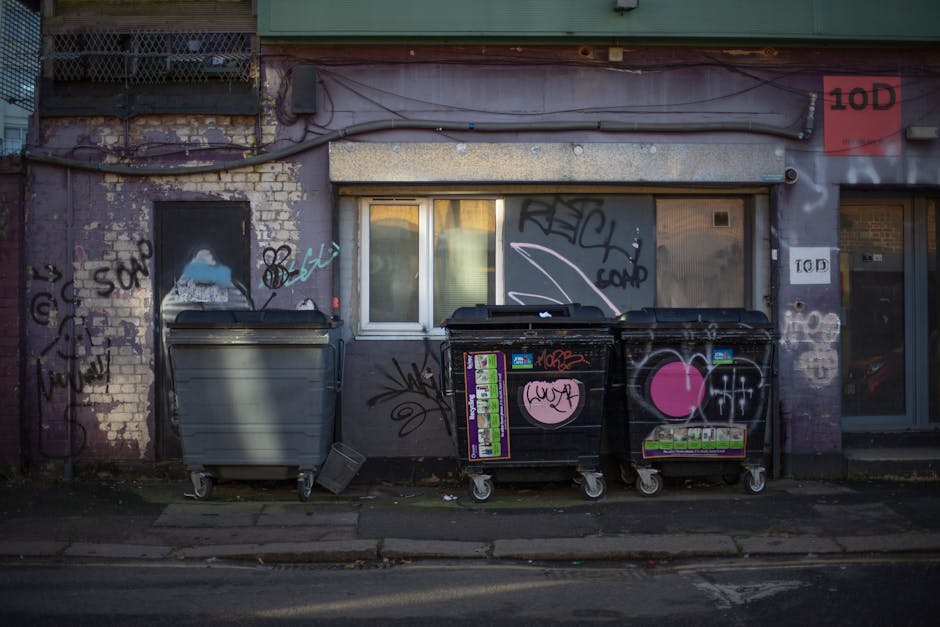
SE10 commercial waste regs: what Greenwich Council enforces

If you run a business in SE10, waste is not just "something to sort out later". The way you store it, separate it, present it for collection, and hand it over can all matter. SE10 commercial waste regs: what Greenwich Council enforces is really about keeping Greenwich tidy, protecting public health, and making sure businesses are handling waste responsibly. That might sound dry on paper, but in real life it affects everything from office clear-outs to shop refits, cafes, managed flats, and building works on a tight street where bin space is already at a premium.
Truth be told, most problems start with small things: the wrong bag, a missed collection, a pile left out too early, or a business using the wrong service for commercial waste. This guide breaks down what Greenwich Council typically expects, what you need to watch for, and how to stay on the right side of compliance without turning waste management into a full-time headache.
Why SE10 commercial waste regs: what Greenwich Council enforces Matters
Commercial waste enforcement matters because waste from businesses behaves differently from household rubbish. A small office in Greenwich Peninsula, a cafe near a busy junction, and a contractor clearing debris from a fit-out all produce waste that needs to be managed properly. If it is not, you can end up with contamination, missed collections, fly-tipping risks, blocked pavements, and avoidable complaints from neighbours or building managers.
Greenwich Council's enforcement role is not there to be awkward. It exists because commercial waste can quickly become a nuisance when businesses leave sacks outside at the wrong time, overfill shared bins, or dispose of mixed waste in a way that creates mess and smells. On a windy morning, one loose bag can turn into a trail down the street before anyone has finished their coffee. We have all seen that sort of thing happen.
There is also a practical business reason to care. If your waste arrangements are poor, staff waste time, collections become unpredictable, and you may face extra costs for call-outs, clean-ups, or avoidable service changes. Good compliance usually saves money in the long run, even if the paperwork feels annoying on day one.
Key takeaway: The council is mainly looking for responsible storage, proper separation, correct presentation, and lawful disposal. If those four things are in place, you are already most of the way there.
How SE10 commercial waste regs: what Greenwich Council enforces Works
In simple terms, Greenwich Council enforces how commercial waste is managed within the borough. That usually includes whether waste is being placed out correctly, whether it is from a business rather than a household, whether it is causing a nuisance, and whether it appears to be handled by suitable arrangements.
For many businesses, the most visible part is collection: where the waste is kept, when it is put out, and whether containers are suitable for the type and volume of rubbish. For others, especially offices and trade premises, the bigger issue is documentation, separation of waste streams, and proving that waste is being transferred responsibly.
The council may investigate issues such as:
- commercial waste left on the public highway at inappropriate times
- overflowing bins or sacks that attract vermin
- mixed waste that should have been separated for recycling
- evidence of improper disposal or fly-tipping linked to a business
- persistent smells, leakage, or unsafe storage
- businesses using arrangements that do not look fit for purpose
There is a difference between what is legal, what is sensible, and what is simply good neighbour behaviour. The best operators cover all three. That means fewer issues for staff, fewer issues for the council, and fewer awkward conversations with the person next door who has already had enough of bins, frankly.
If you are managing a workspace, office clear-out, or ongoing commercial waste stream, it helps to use a provider that understands business waste removal rather than treating everything as a one-off household clear-out. In practical terms, that often means better planning, better loading, and less guesswork.
Key Benefits and Practical Advantages
Staying compliant is not just about avoiding problems. There are genuine day-to-day advantages when commercial waste is organised properly.
- Cleaner premises: tidy waste storage keeps entrances, yards, and loading areas usable.
- Lower complaint risk: fewer odours, less clutter, and less mess outside the building.
- Better staff efficiency: team members waste less time dealing with chaotic bins or emergency clear-ups.
- Improved recycling outcomes: separating suitable materials early usually makes everything easier later.
- Reduced enforcement risk: clear systems are easier to defend if the council asks questions.
- More predictable costs: regular, planned removal is usually less painful than repeated ad hoc fixes.
There is another advantage people often overlook: reputational trust. Customers, tenants, and visitors notice a site that is well kept. They may not say anything, but they notice. A clean frontage can say more about your operation than a polished email ever will.
For businesses dealing with furniture, fittings, or office equipment, it can also make sense to plan ahead with services such as office clearance or furniture disposal. That is especially useful when you are replacing desks, clearing storage rooms, or closing a branch and need the site handed back in good shape.
Who This Is For and When It Makes Sense
This topic is relevant to a wide mix of SE10 premises. If you run any business that produces waste regularly, you should care about how Greenwich Council views it.
- offices and co-working spaces
- shops, cafes, and hospitality venues
- salons, studios, and clinics
- landlords and managing agents handling commercial units
- builders, decorators, and fit-out teams
- warehouses, workshops, and light industrial units
- mixed-use buildings where business and residential waste can get confused
It also matters if you are doing one-off clearances. A lot of people assume a "just this once" skip, sack run, or van load does not really count as commercial waste because it is temporary. In reality, the council and your duty of care do not disappear just because the job is short-term.
If the waste came from business activity, it generally needs business-appropriate handling. That could mean a regular collection arrangement, a licensed carrier, or a documented clear-out process. If you are not sure which applies, that is usually the moment to pause and check rather than guessing. Guessing is expensive. Sometimes surprisingly expensive.
For premises with furniture, stored stock, or mixed clutter, the right approach may be a broader clearance service rather than trying to piece together several separate collections. In those cases, a planned visit for furniture clearance, waste removal, or even builders waste clearance can be a far cleaner solution than a patchwork of ad hoc removals.
Step-by-Step Guidance
If you want to stay on top of commercial waste in SE10, use a simple system. Nothing fancy. Just something reliable.
- Identify the waste streams. Separate general waste, dry recycling, cardboard, bulky items, and any trade-specific material. A quick sort at source saves hassle later.
- Check what your premises actually generate. A small office and a restaurant do not produce the same waste profile, and the bin arrangement should not be identical either.
- Make storage safe and tidy. Keep bins closed, put sacks where they will not block access, and avoid leaving material exposed overnight if it can be helped.
- Use the right collection route. Regular business collections suit ongoing waste. One-off clearances suit projects, moves, and refurbishments.
- Keep paperwork and notes in order. Even if your system is fairly simple, know who collected what, when, and how. That habit pays off if anyone asks questions.
- Review the setup every few months. Waste volumes change. Staff numbers change. Tenant use changes. The bin plan should keep up, not lag behind for a year.
- Escalate recurring problems early. If collections are overflowing every Friday, the setup is wrong somewhere. Fix the cause, not just the symptom.
A real-world example: a SE10 office downsizes from three floors to one and keeps using the old bin schedule for months. The result? Full containers, extra bags in the corridor, staff frustration, and a messy back area. A short review and a different collection approach would have solved it in one afternoon. Small change. Big difference.
Expert Tips for Better Results
The best waste systems are boring in the best possible way. They just work.
- Label bins clearly. If people have to think too hard, they will do the easy thing and dump everything together.
- Set a weekly waste walk. A five-minute walk around the yard or rear access point often catches problems before they grow legs.
- Separate bulky items early. Chairs, shelving, monitors, and broken fixtures should not sit around waiting for "later".
- Plan around collection days. In busy streets, timing matters. Early placement can create issues even if the waste is eventually collected.
- Keep access routes clear. If staff, residents, or collection crews cannot get to the bins easily, everyone ends up improvising.
- Match the service to the site. A cluttered office is not the same as a strip-out or a garden project, so the removal plan should reflect that.
One small but useful habit: take a quick photo of the storage area after clean-up days. It sounds almost too simple, but it helps you spot trends. If the same corner keeps becoming a dumping ground, you will notice faster than you would by memory alone.
For businesses with a lot of furniture or storage material, it can be worth pairing a clearance visit with a longer-term sustainability plan. The page on recycling and sustainability is a useful reminder that waste management is not only about disposal; it is also about what can be reused, separated, or diverted sensibly.
Common Mistakes to Avoid
Most compliance headaches come from the same few habits. The good news is they are fixable.
- Mixing business waste with household waste. That muddles records and can create avoidable disputes.
- Leaving sacks outside too early. If your street is busy, that is asking for trouble.
- Overfilling containers. Lids that will not close properly are a classic red flag.
- Ignoring bulky items. One broken cabinet can sit for weeks and ruin an otherwise tidy setup.
- Using the wrong contractor. A cheap fix is not much of a bargain if the waste ends up handled badly.
- Forgetting seasonal spikes. Fit-outs, end-of-term clear-outs, and stock changes can double your waste without much warning.
- Assuming nobody will notice. Council officers, building managers, neighbours, and passers-by all notice more than you think.
And yes, the "we'll sort it next week" approach can work exactly once. After that, it becomes a habit, then a problem, then a complaint. Not ideal.
Tools, Resources and Recommendations
You do not need a complicated tech stack to manage commercial waste well. A few sensible tools are enough.
- Simple waste log: note dates, collections, and any unusual items.
- Photo record: useful for documenting clean-ups, waste storage, and site condition.
- Staff checklist: a short laminated checklist near bins or the service area works better than a long email nobody rereads.
- Clear labelling: colour-coded bins or plain-language labels usually outperform fancy systems.
- Seasonal review notes: keep a record of changes when your business gets busier or changes use.
If you are comparing different disposal approaches, it can help to understand the scope of related services. For example, a periodic business waste removal arrangement may suit ongoing commercial activity, while one-off project work may call for a more targeted clearance. In other words, choose the tool that fits the job, not the other way round.
For larger premises or storage-heavy environments, combining waste management with services like loft clearance or garage clearance can make sense where those spaces are being used for business storage and have become, well, a bit of a mess. Happens more than people admit.
Law, Compliance, Standards, or Best Practice
Without pretending to be a legal textbook, the main principle is straightforward: businesses are expected to manage their waste responsibly, avoid nuisance, and use lawful disposal routes. In the UK, that usually means you should know what type of waste you have, store it safely, and hand it to an appropriate collector or disposal route.
Greenwich Council enforcement typically sits within that broader framework. The council may be concerned with public cleanliness, highway obstruction, anti-social waste presentation, and business waste appearing in the wrong place. If your waste becomes a hazard, a recurring nuisance, or something that looks like fly-tipping, the odds of a knock on the door go up. Nobody wants that conversation on a wet Tuesday morning.
Best practice usually includes:
- keeping commercial waste separate from household waste
- using a collection arrangement that suits your volumes
- storing waste securely and tidily
- preventing leakage, scattering, and odour
- keeping basic records of what leaves site and when
- treating recycling as part of the system, not an optional extra
If your site has contractors, fit-out teams, or occasional large clearances, make sure everyone understands who is responsible. That includes temporary workers. A short site briefing is often enough, and it saves embarrassment later.
Options, Methods, or Comparison Table
Different waste setups suit different businesses. Here is a simple comparison that may help you decide what fits your premises best.
| Option | Best for | Strengths | Watch-outs |
|---|---|---|---|
| Regular commercial collections | Offices, shops, cafes, and other ongoing operations | Predictable, tidy, easier to budget for | Needs the right bin sizes and clear sorting |
| One-off clearance | Moves, refurbishments, stock reductions, closure projects | Good for bulky or mixed items, fast site reset | Needs careful planning if access is tight |
| Mixed waste and recycling system | Sites generating varied but steady waste streams | Can improve recycling and reduce landfill-style disposal | Staff need simple instructions or contamination rises |
| Project-based builder clearance | Fit-outs, refurb works, strip-outs | Handles awkward material and bulkier loads | Must be organised around site access and timing |
In practice, many SE10 businesses use a blend. A small office might keep a regular collection for everyday waste and call in a one-off clearance for old furniture or archive boxes. That hybrid approach is often the sweet spot.
Case Study or Real-World Example
Here is a realistic example. A small professional services office in SE10 had been storing broken chairs, cardboard boxes, and unused IT shelving in a rear room because nobody had time to deal with it. The waste area became cramped, the cleaner had to work around it, and staff began leaving extra bags beside the bins "just for now".
That "just for now" lasted longer than anyone liked.
Once the business reviewed its setup, it separated cardboard, arranged a proper removal for the bulky items, and adjusted collection timing so waste was not sitting outside for long periods. The result was immediate: fewer smells, less clutter, less staff frustration, and a tidier site that looked better for clients arriving through the side entrance.
The biggest lesson was not about a complex regulation at all. It was about discipline. When waste is allowed to pile up, everything else starts to wobble a little. When the process is tidy, the whole site feels calmer. You notice it in the morning when the bins are closed properly and the corridor smells like... nothing much, which is exactly the point.
Practical Checklist
Use this checklist if you want a quick compliance reset for your SE10 premises.
- Have you identified all commercial waste streams?
- Are waste and recycling bins clearly labelled?
- Is waste stored securely, away from public nuisance?
- Are collections aligned with the amount of waste you actually generate?
- Are bulky items removed promptly instead of left indefinitely?
- Do staff know what goes where?
- Do you have a simple waste log or record of collections?
- Is access for collection crews kept clear?
- Have you checked for recurring overflow points or contamination issues?
- Does your setup still make sense after recent business changes?
If you can tick most of these off, you are in a much stronger position than many businesses that just hope for the best. Hope is not a strategy, as the saying goes.
Get a free quote today and see how much you can save.
Conclusion
SE10 commercial waste regs: what Greenwich Council enforces is ultimately about basic responsibility done properly. Keep waste contained, separate it sensibly, use the right collection method, and do not let piles grow into a nuisance. That is the backbone of it.
For most businesses, the goal is not perfection. It is a system that is reliable enough to stay clean, calm, and defensible if anyone asks questions. That could mean a better collection schedule, a one-off office clearance, or a fuller reset of the waste area before it becomes a problem. Small improvements usually make the biggest difference. Funny how often that turns out to be true.
If you are reviewing your setup now, do it with a practical eye and a bit of honesty. What is working? What is causing friction? What would make the site easier to keep tidy next month, not just today? Those are the questions that lead to lasting improvements, and they are worth asking.
Good waste management is rarely glamorous. But it does make a business feel more in control, and that is no small thing.
Frequently Asked Questions
What counts as commercial waste in SE10?
Commercial waste is any rubbish generated by a business, trade activity, office, shop, venue, or other non-domestic operation. It can include paper, packaging, furniture, fixtures, food waste, and builder-style debris from works.
Does Greenwich Council care how I store business waste?
Yes. Safe, tidy storage is part of the picture. Waste that is left exposed, overflowing, or blocking access can create nuisance or safety issues, which is exactly the kind of thing enforcement can focus on.
Can I put business waste out with household bins?
Usually, no. Business waste should be managed as commercial waste, even if the amount is small. Mixing business waste into household arrangements can create confusion and may not be acceptable.
What happens if my waste keeps overflowing?
Overflowing waste is a sign that the system is wrong somewhere. You may need bigger bins, more frequent collections, better separation, or a one-off clearance to catch up. Leaving it as-is tends to make the problem worse.
Do I need records of commercial waste collections?
Keeping records is a sensible best practice. They help you show how waste was handled, who collected it, and when it left the site. Even a simple log can be useful.
What if my business only generates waste occasionally?
Occasional waste still needs proper handling. A small cafe, office, or workshop may not need frequent collections, but it should still use a lawful and suitable disposal route when waste appears.
Are one-off clearances treated differently from regular waste collections?
They are different in practice, yes. Regular waste collections suit ongoing rubbish streams, while one-off clearances are better for bulky items, bulk clutter, or project waste. The responsibility to dispose of waste properly still remains.
What are the most common reasons businesses get into trouble?
The usual causes are poor storage, waste left outside too early, mixed waste, overflowing containers, and using the wrong disposal arrangement. In many cases, the issue is not dramatic. It is just messy and repetitive.
How do I know whether I need a clearance service or a regular collection?
If the waste is ongoing and predictable, a regular collection usually makes more sense. If you have bulky items, end-of-lease clutter, or a refurbishment mess, a clearance service is often the better fit.
Is recycling part of commercial waste compliance?
Yes, in a practical sense it is. Separating recyclables where possible is part of responsible waste management and usually makes the whole system easier to run. It also helps reduce the amount of mixed waste you send away.
Can a landlord or managing agent be involved in waste compliance?
Absolutely. In mixed-use or managed buildings, landlords and agents often play a big role in bin access, storage rules, and collection arrangements. It is worth confirming responsibilities early, before problems turn into disputes.
What is the simplest way to improve compliance quickly?
Start with the basics: label bins clearly, remove bulky items promptly, keep storage areas tidy, and review your collection schedule. Those four changes solve more problems than people expect.